Top News
Best Biryani in Warangal: 10 Spots That Define the City
- 21 September 2026
Best In Warangal — your local guide to food, culture and the city we call home.
Put your business in front of readers across Warangal, Hanamkonda and Kazipet.
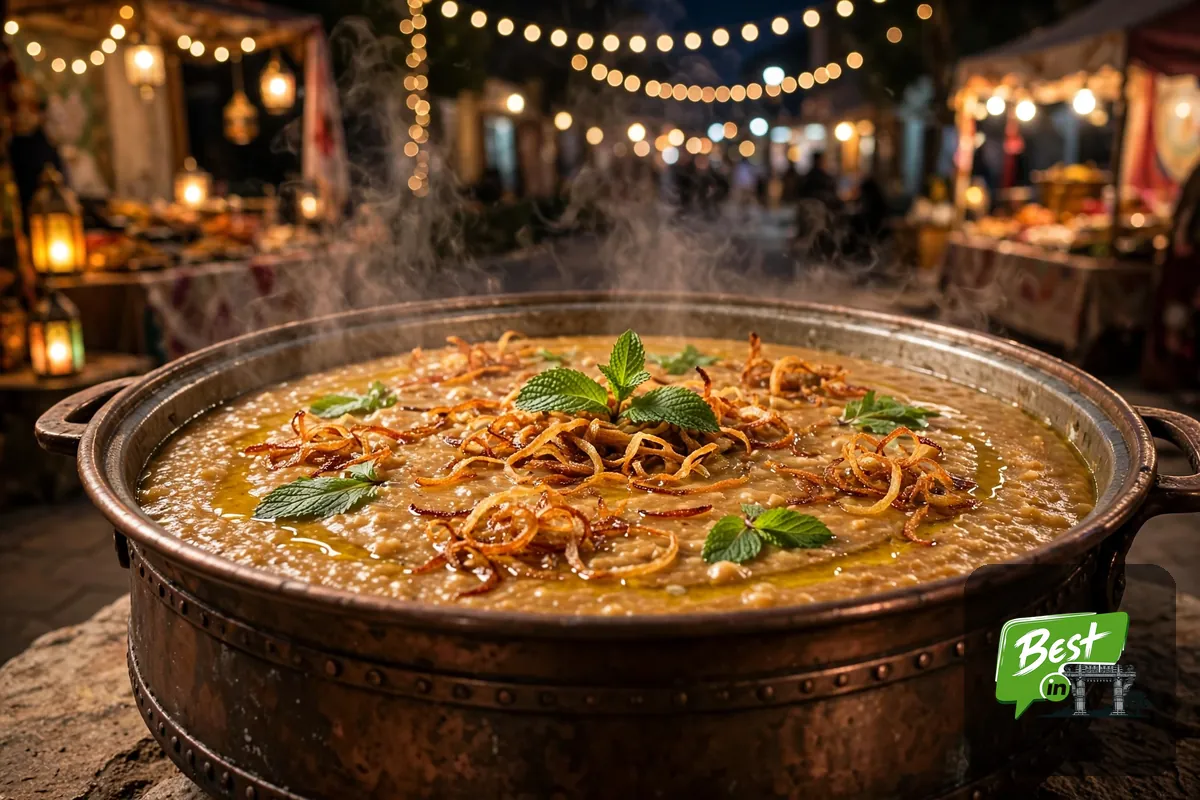
Haleem in Warangal is strictly Ramzan-seasonal — it appears with the holy month and vanishes after. Our guide names the specialists and decodes the degh.

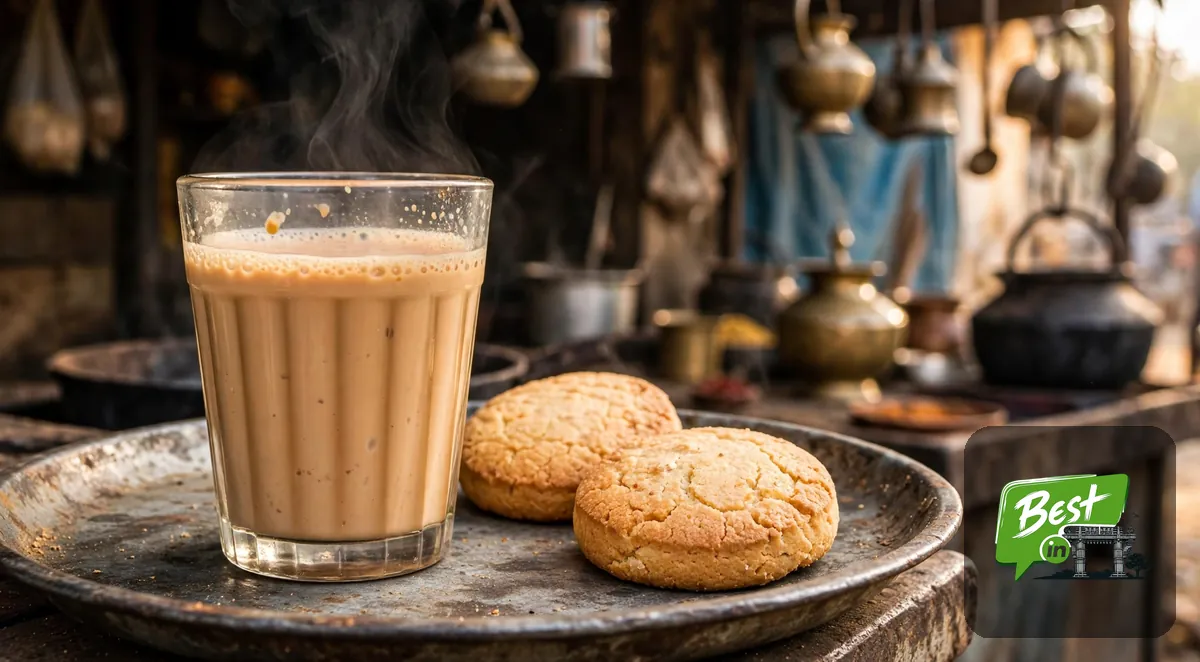
Warangal's Irani chai legacy survives in scattered pockets. We name the verified Hunter Road standout and decode what real slow-brewed chai tastes like.
Read Story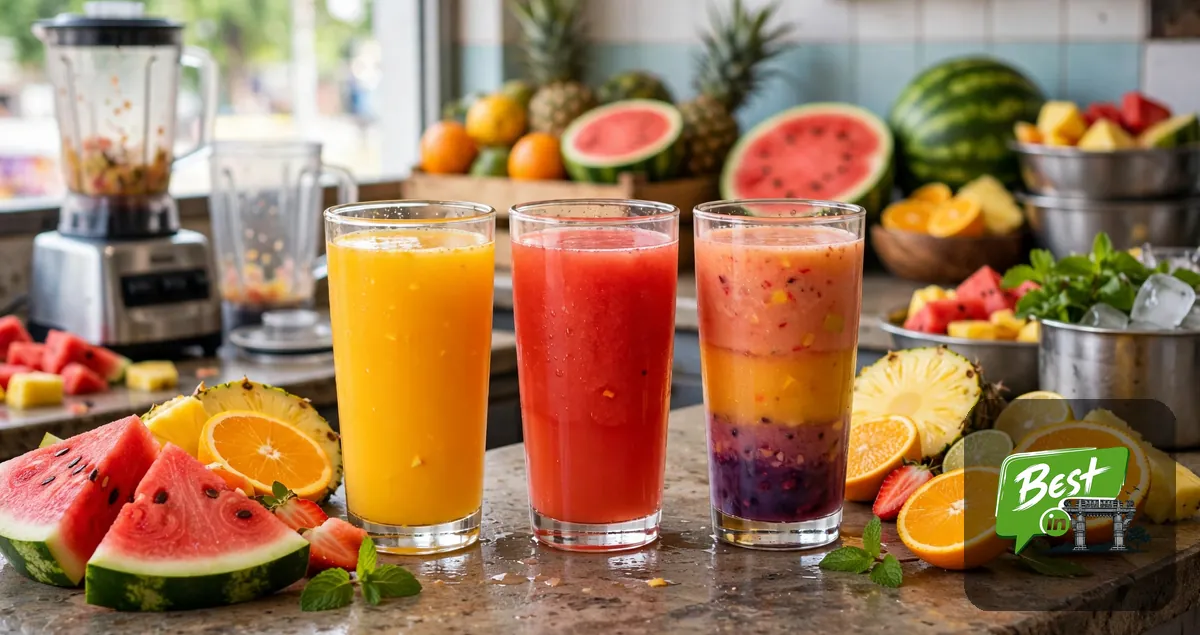
Warangal runs on fresh juice all summer. We name the verified heavyweight — Barista Juice House on Balasamudram Road — and show how to judge any juice shop.
Read Story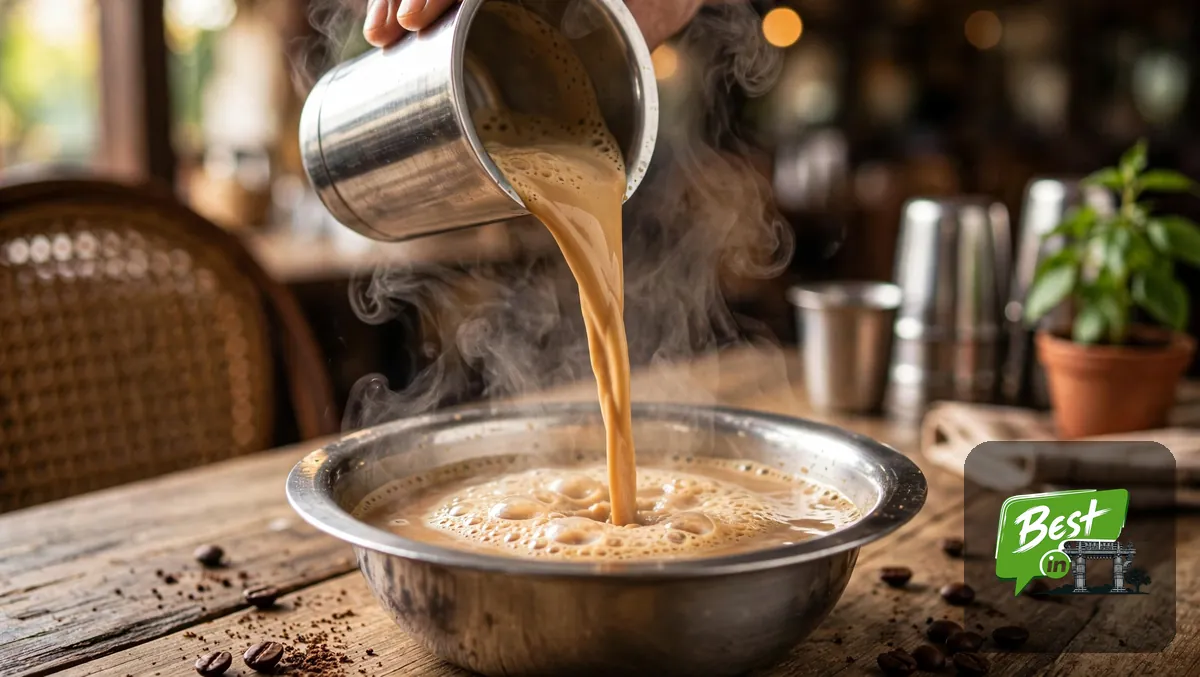
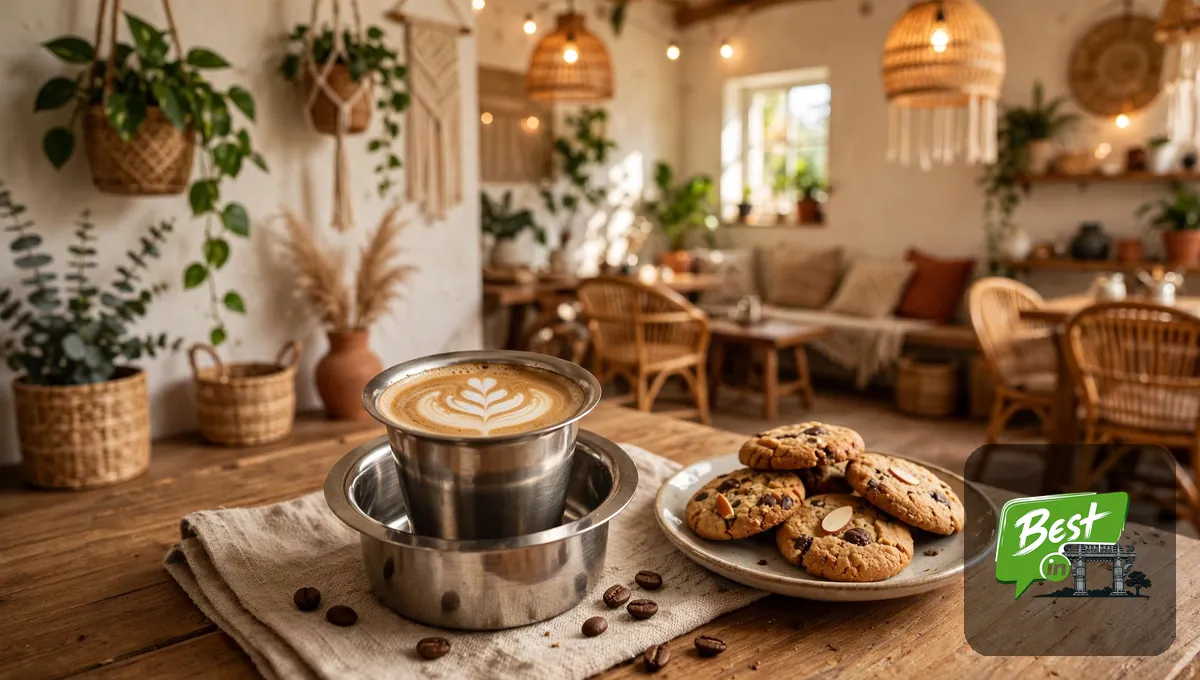
Warangal's filter coffee runs deep — Tamil-style purists, Telugu tiffin rooms, new-wave cafes. We name the verified standout and decode the perfect brew.
Read Story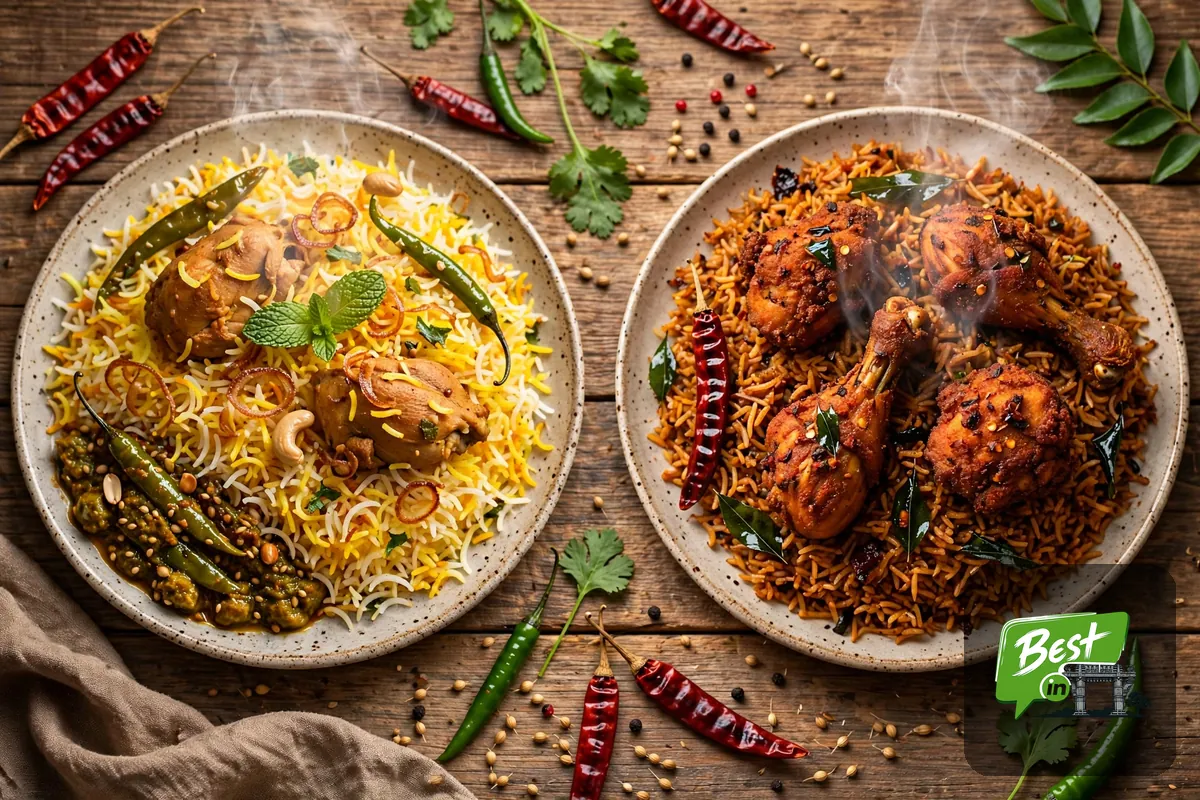
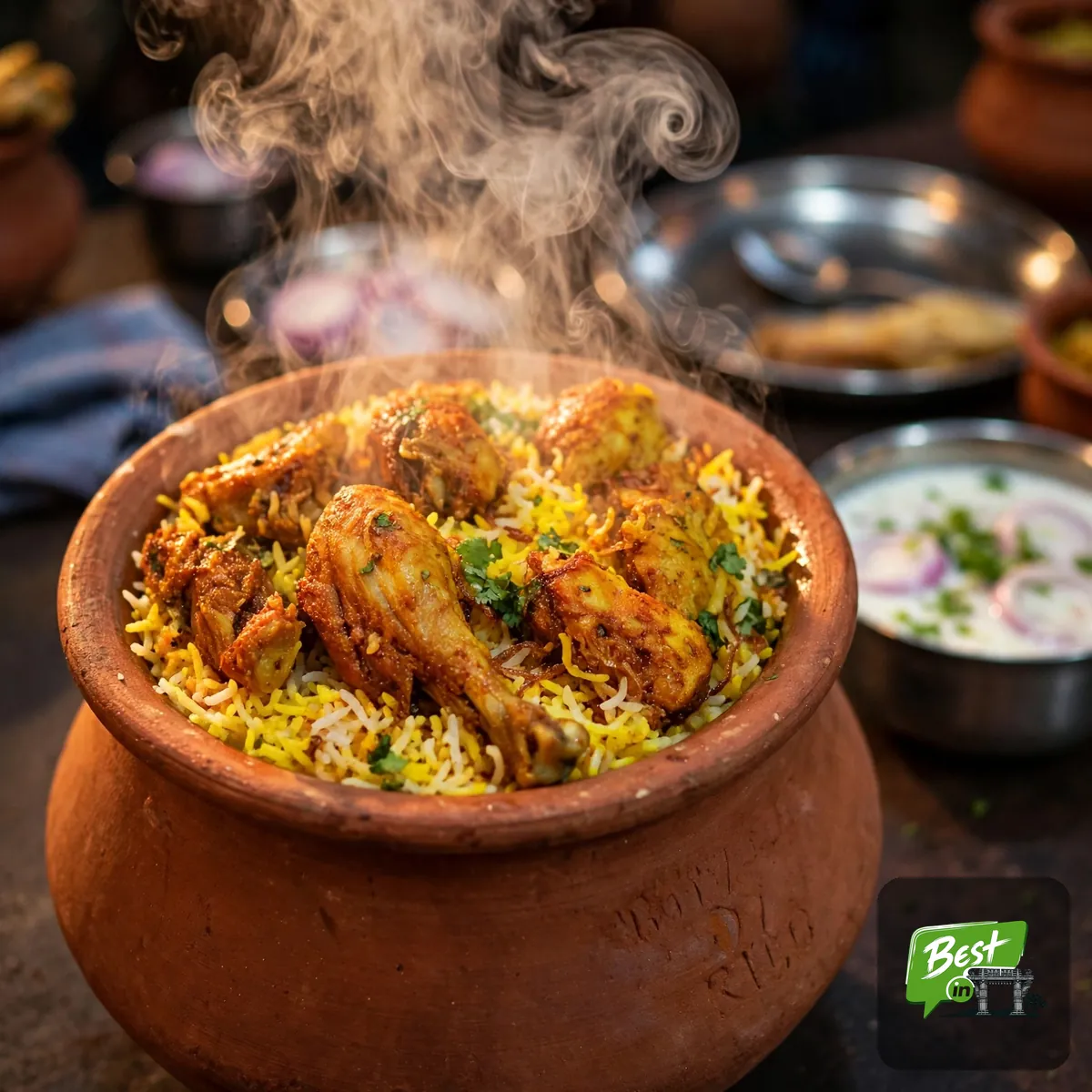
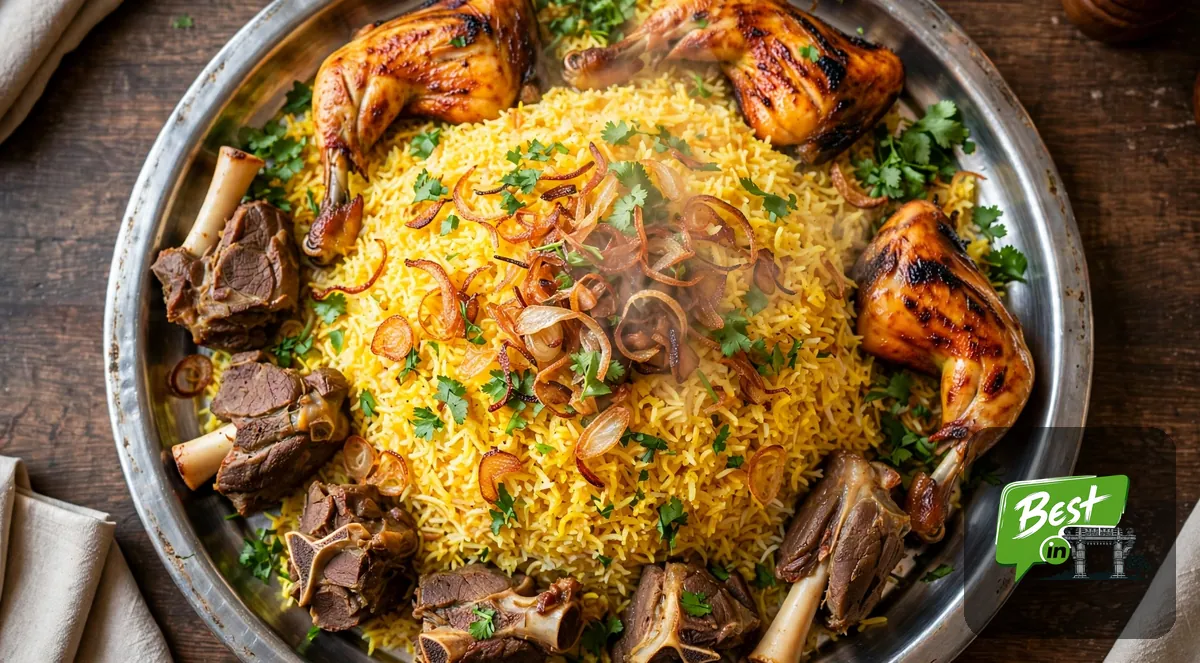
Reel comments never stop fighting about it. We settle the Warangal vs Hyderabad biryani debate: kacchi dum vs fry-piece, gongura, bagara, heat and price.

Warangal's fried-chicken scene is broad, with no single legendary brand. Our guide maps the broasted counters, wings spots and buckets, plus the crunch test.
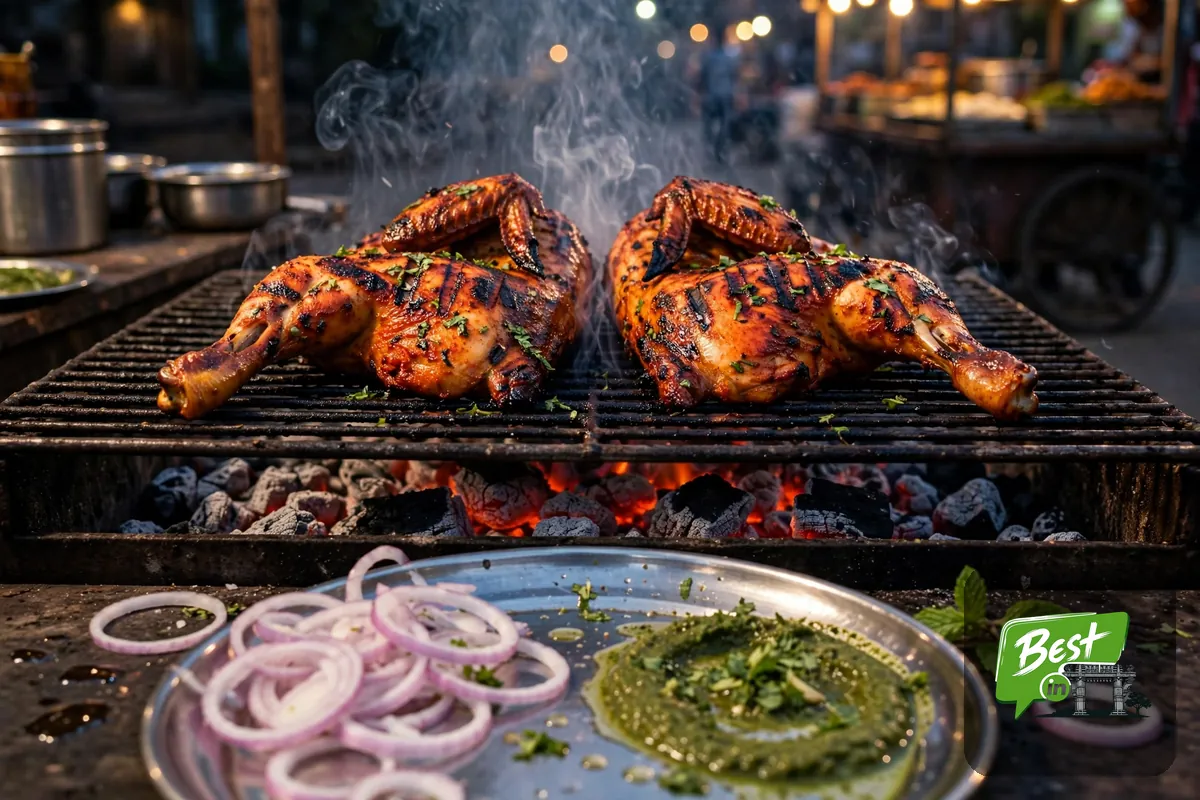
Grill chicken is Warangal's distinct flame-grilled craving, separate from fried chicken. Here's the viral NIT-area spot and a guide to getting it right.


Best In Warangal is reported and written by a local desk covering Warangal, Hanamkonda and Kazipet, the people, places and stories of the Orugallu tri-city.
Meet the team

Planning wedding photography in Warangal? Booking timelines, candid vs traditional styles, what to ask your photographer — plus how VowPix delivers every guest their photos with a single selfie.
Read Story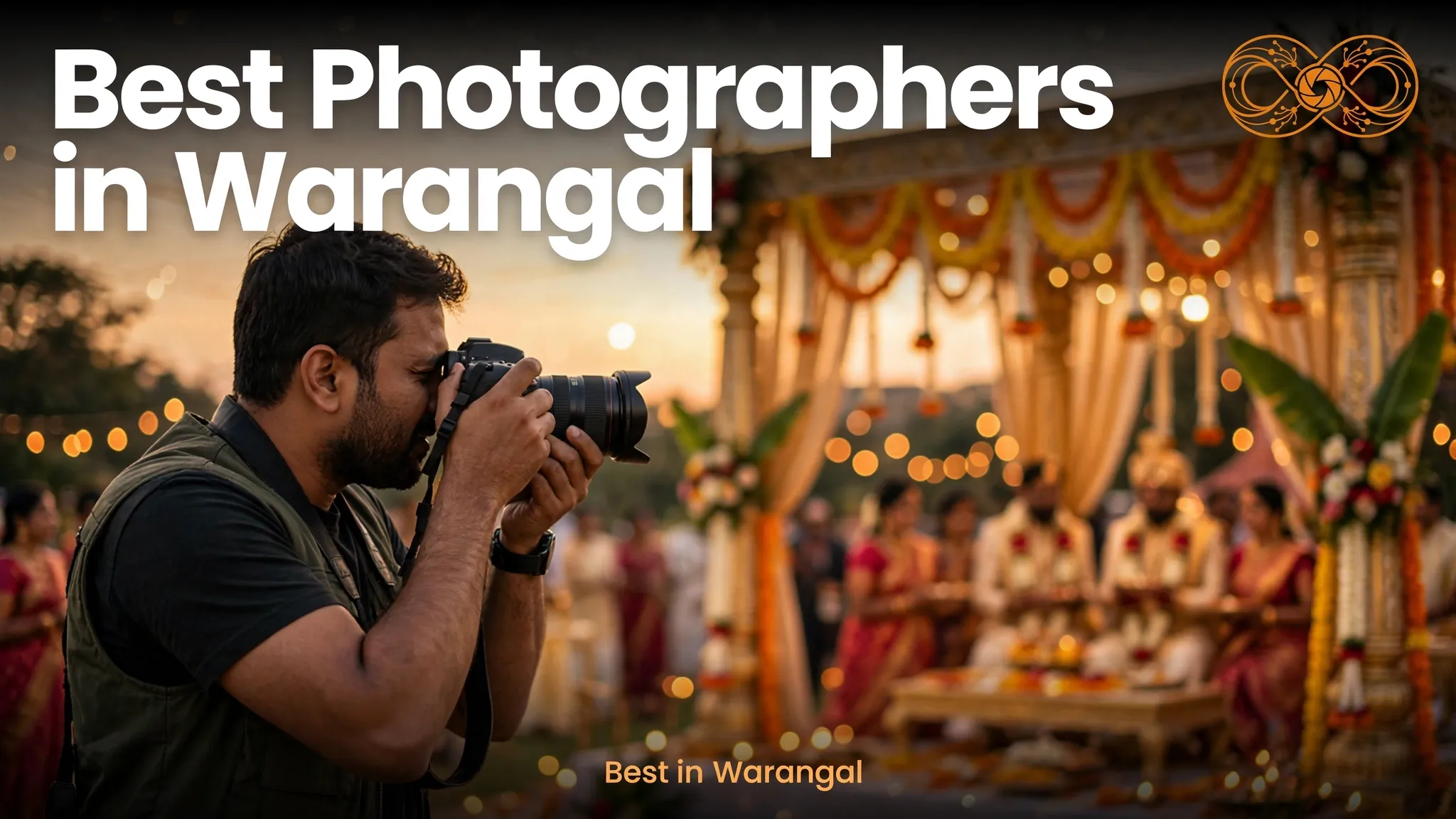
Looking for the best photographers in Warangal? This guide shows how to find, vet and book the right photographer — and how VowPix's AI photo delivery (selfie face-search for guests) is changing the game.
Read Story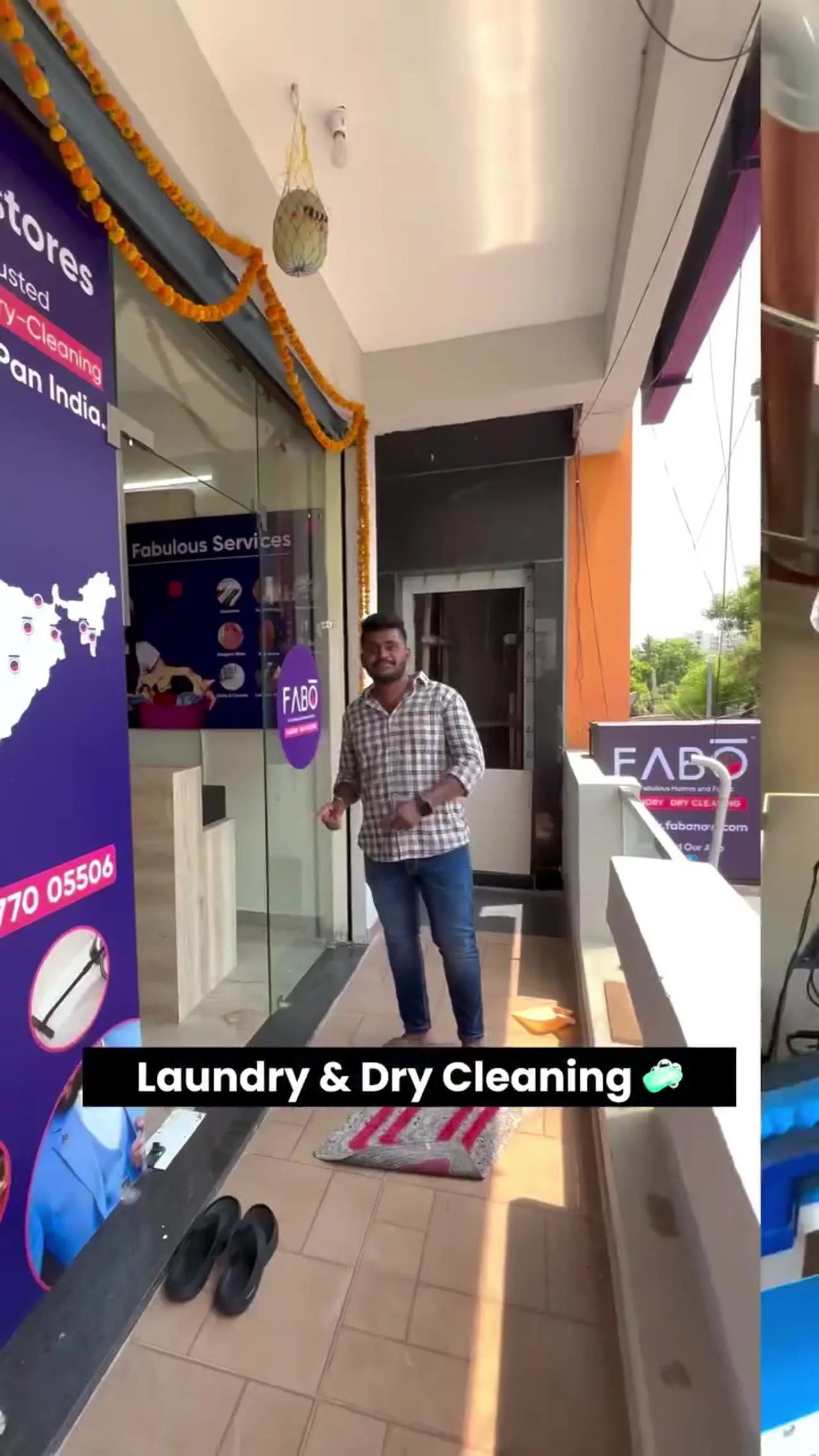
FABO expands its presence in Hanamkonda with convenient laundry and dry cleaning services.
Read Story
Meet Rakshith Buddineni, the 19-year-old KITS Warangal student and founder of RIKni AI — one of the top young entrepreneurs in Warangal to watch.
Read Story
Behind the temples and the campuses, Warangal is a trading town. The Enumamula market yard, the cloth lanes, and the clusters that keep it running.
Read Story
If you buy to sell, Warangal wholesale lanes are where the margins are made, provided you know the right counters and reach them early.
Read Story
Experience nature at Pakhal Lake, a top destination for relaxation and recreation.
Read Story
The Kakatiya stonework at Warangal Fort still stops people mid-step. Here is how to read the four Kirti Toranas and plan an unhurried morning.
Read Story
The 12th-century Thousand Pillar Temple in Hanamkonda is a Kakatiya statement in stone, and the detail holds up nearly nine hundred years on.
Read Story
As the medical hub of northern Telangana, Warangal carries the hospitals surrounding districts depend on, from MGM to Medicover and visiting specialty clinics.
Read Story
For the things that do not need a full hospital, Hanamkonda clinics handle the daily run of consultations and follow-ups.
Read Story
From a simple cleaning to a full implant plan, Warangal dental clinics have widened well past the old extraction-only days.
Read Story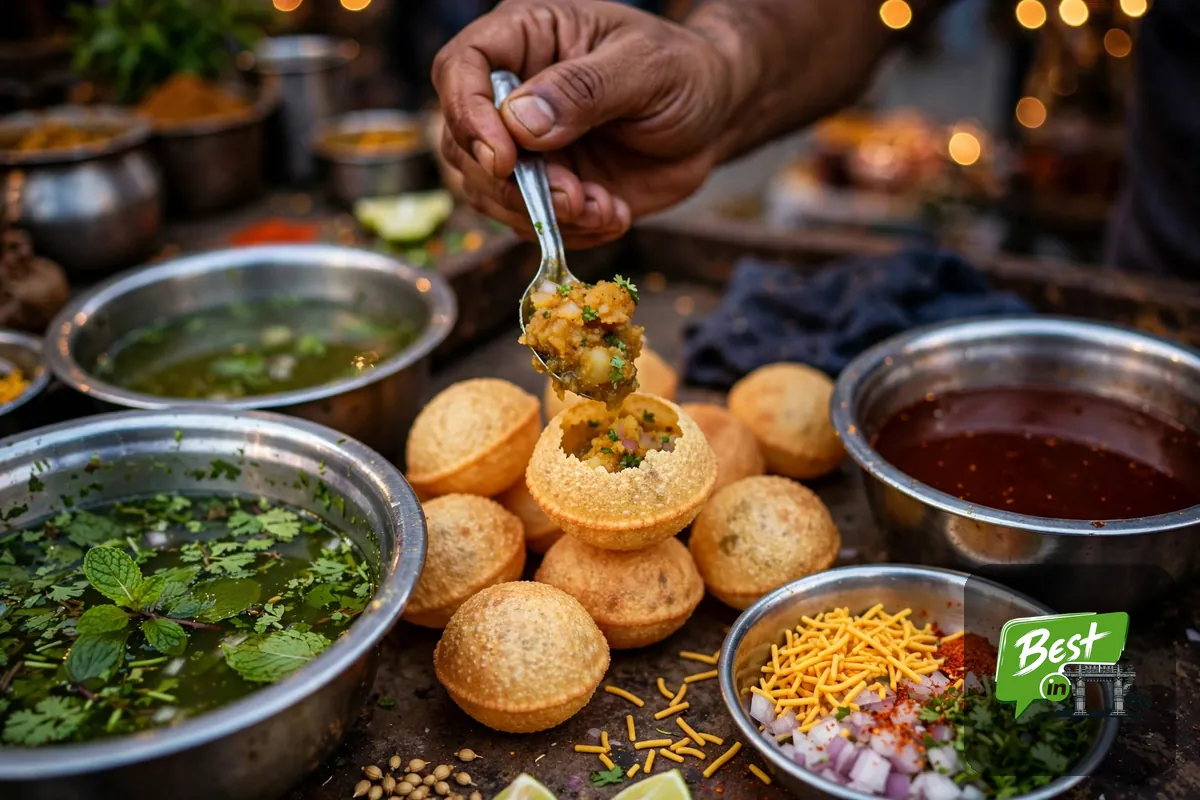
Pani puri in Warangal is an evening ritual: crisp puris, fiery pudina pani, sweet imli. Where the carts gather, flavours to try, and picking a hygienic stall.
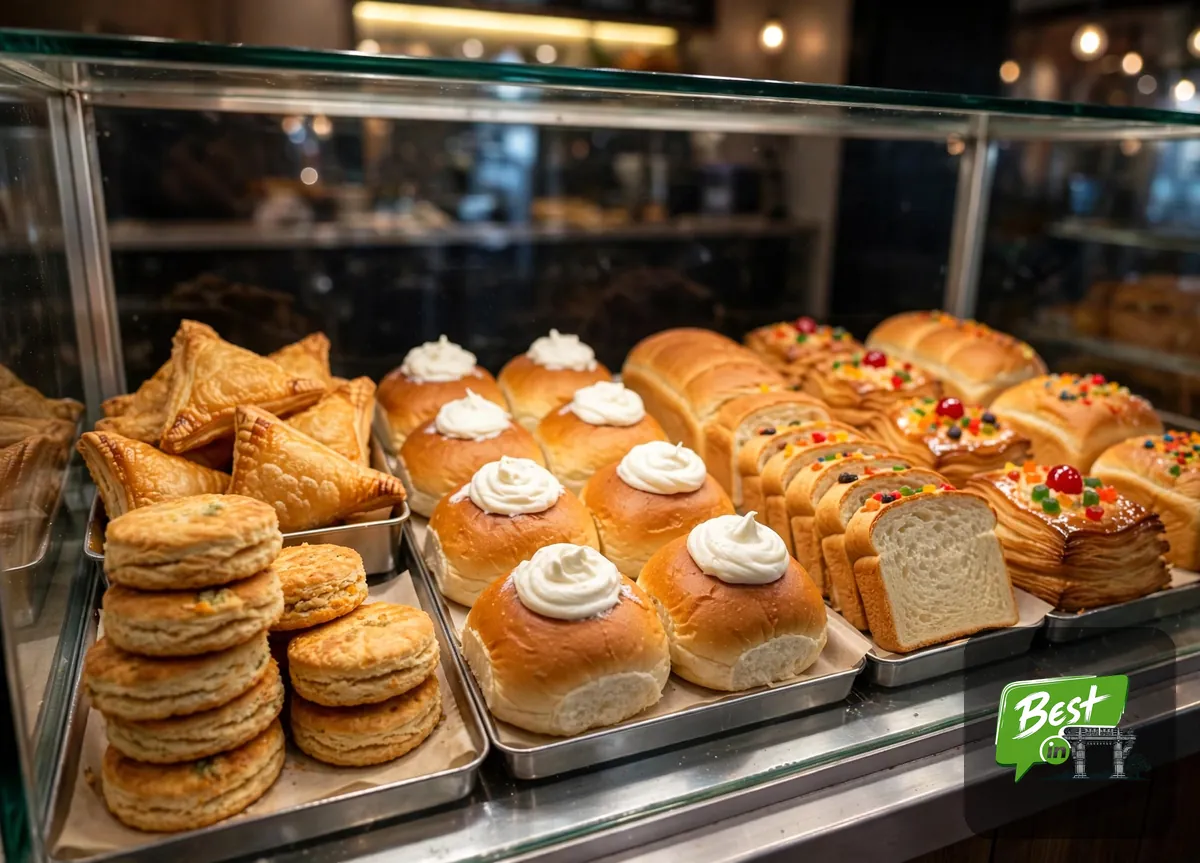
The bakery canon in Warangal — dil-pasand, puffs, cream buns, plum cake — plus when to go, how to spot a great bakery, and where the bakery pockets are.